
The Science of Water Transfer Printing: How We Do It
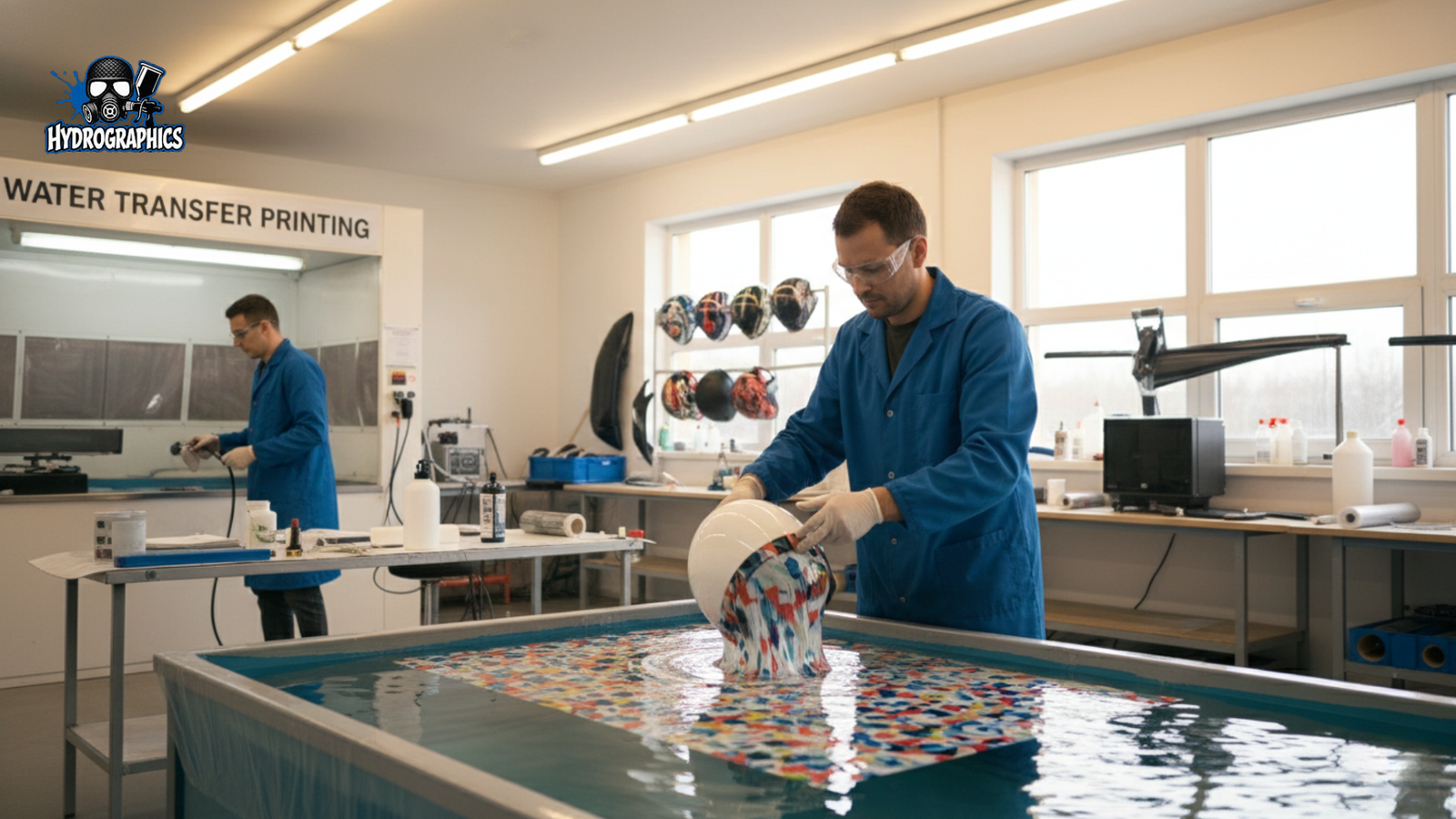
In a world increasingly driven by customization and aesthetic appeal, the ability to transform ordinary objects into extraordinary pieces of art is invaluable. This is precisely what Water Transfer Printing (WTP), often known as hydro dipping, achieves. More than just a decorative technique, it’s a precise application of chemistry, physics, and engineering that delivers stunning, durable finishes across a vast array of materials and products. Here at our state-of-the-art Noida facility, we don’t just dip; we meticulously apply the principles of Hydro Dipping Science to ensure every piece we process meets the highest standards of quality and visual impact.
This comprehensive guide will delve into the intricate details of the Water Transfer Printing Process, demystifying the science behind its magic and showcasing the meticulous steps we undertake to deliver superior results. From the critical initial Surface Preparation to the advanced Finishing Tech, discover how our commitment to excellence and professional coating transforms your products.
Understanding Water Transfer Printing (WTP) – The Core Science
At its heart, Water Transfer Printing is a method of applying intricate patterns and designs to three-dimensional objects using water displacement. The underlying principle is deceptively simple yet brilliantly effective: a printed polyvinyl alcohol (PVA) film, pre-printed with a graphic design, is carefully floated on the surface of a water tank. When an activator chemical is applied, the film dissolves, leaving the ink pattern suspended on the water’s surface. The object is then slowly immersed through this ink layer, allowing hydraulic pressure from the water to wrap the pattern uniformly around its contours.
The true “Hydro Dipping Science” lies in the interplay of several forces and chemical reactions. The PVA film’s solubility in water, the activator’s ability to liquefy the ink without distorting the pattern, and the cohesive properties of the water itself all work in concert. The water acts as a medium that applies uniform pressure across the entire surface of the object, ensuring the pattern adheres seamlessly to complex shapes that would be impossible to cover with traditional flat decals or painting methods. This process creates a bond between the ink and the substrate, resulting in a finish that is not only visually striking but also incredibly durable, especially when followed by a high-quality Professional Coating.
The versatility of WTP is astounding. It can be applied to plastics, metals, glass, ceramics, wood, and even certain composites, provided they can be safely submerged in water and adequately prepared. This broad applicability, combined with the virtually limitless design possibilities—from carbon fiber and wood grain to camouflage, abstract patterns, and custom graphics—makes WTP an invaluable tool for industries ranging from automotive and aerospace to consumer electronics and sporting goods.
The Meticulous Water Transfer Printing Process: Step-by-Step
The success of any water transfer printing project hinges on a highly controlled and systematic approach. Our Water Transfer Printing Process is a testament to precision and expertise, ensuring every stage is executed flawlessly.
Step 1: Initial Assessment and Design Selection
Every project begins with a thorough understanding of the client’s needs and the specifics of the object to be decorated. This includes assessing the material, its size, shape, and any existing finishes. Concurrently, we work with clients to select the perfect hydrographic film from our extensive catalog of patterns. Whether it’s a classic carbon fiber look, a vibrant abstract design, or a realistic wood grain, the chosen pattern will significantly influence the final aesthetic. This initial consultation is crucial for planning the entire dipping strategy, including the orientation of the object during immersion.
Step 2: Surface Preparation: The Foundation of Flawless Finishes

Perhaps the most critical, yet often overlooked, stage of the Water Transfer Printing Process is Surface Preparation. Without a perfectly prepared substrate, even the most advanced dipping techniques and high-quality films will fail to deliver a lasting, blemish-free finish. Our rigorous preparation sequence ensures optimal adhesion and a smooth, consistent base for the pattern.
- Cleaning and Degreasing: The object is thoroughly cleaned to remove all traces of dirt, oil, grease, silicone, and other contaminants. We utilize specialized industrial-grade cleaners and solvents, often combined with ultrasonic cleaning for intricate parts, to ensure a pristine surface. Any residual contaminants can lead to adhesion failures or “fisheyes” in the final coat.
- Sanding and Scuffing: Depending on the material and its original finish, the surface is carefully sanded or scuffed. This creates a mechanical profile, or “tooth,” that allows primers and base coats to bond effectively. The grit of sandpaper used is carefully chosen to achieve the ideal texture without damaging the substrate.
- Priming: A high-quality primer is then applied. The primer serves multiple purposes: it acts as an adhesion promoter, creating a consistent surface for subsequent layers; it fills minor imperfections, further smoothing the substrate; and it often acts as a corrosion inhibitor for metal parts. For plastic components, special adhesion promoters are sometimes used prior to priming.
- Base Coating: This is a crucial step that directly impacts the vibrancy and accuracy of the final pattern. A base coat, typically a specialized automotive-grade paint, is applied. The color of the base coat interacts with the transparency of the hydrographic film’s ink. For instance, a light base coat might make a pattern appear brighter, while a dark base coat can intensify deeper tones. This careful selection and application of a base coat are hallmarks of a truly Professional Coating. Each layer is applied evenly and cured appropriately to create a flawless foundation.
Step 3: The Hydro Dipping Tank: Where Magic Happens
With the object meticulously prepared, attention turns to the hydrographic tank. This specialized stainless steel tank is equipped with precise temperature controls, filtration systems, and often automated film dispensing.
- Film Selection and Cutting: The chosen hydrographic film, a polyvinyl alcohol (PVA) sheet with the desired pattern printed on it, is cut to the appropriate size, allowing for sufficient overlap around the object.
- Floating the Film: The film is carefully laid onto the surface of the temperature-controlled water, printed side up. It’s critical to ensure no air bubbles are trapped beneath the film, as these can disrupt the pattern. The film then floats, softening as the PVA absorbs water.
- Applying the Activator: After a specific dwell time (allowing the film to soften), a precisely formulated chemical activator is evenly sprayed over the film. This is where the true “Hydro Dipping Science” becomes evident. The activator chemically dissolves the PVA backing, turning the printed ink pattern into a liquid, free-floating layer on the water’s surface. It’s essential that the activator is applied uniformly to prevent pattern distortion or incomplete liquefaction.
Step 4: Dipping: Precision and Technique
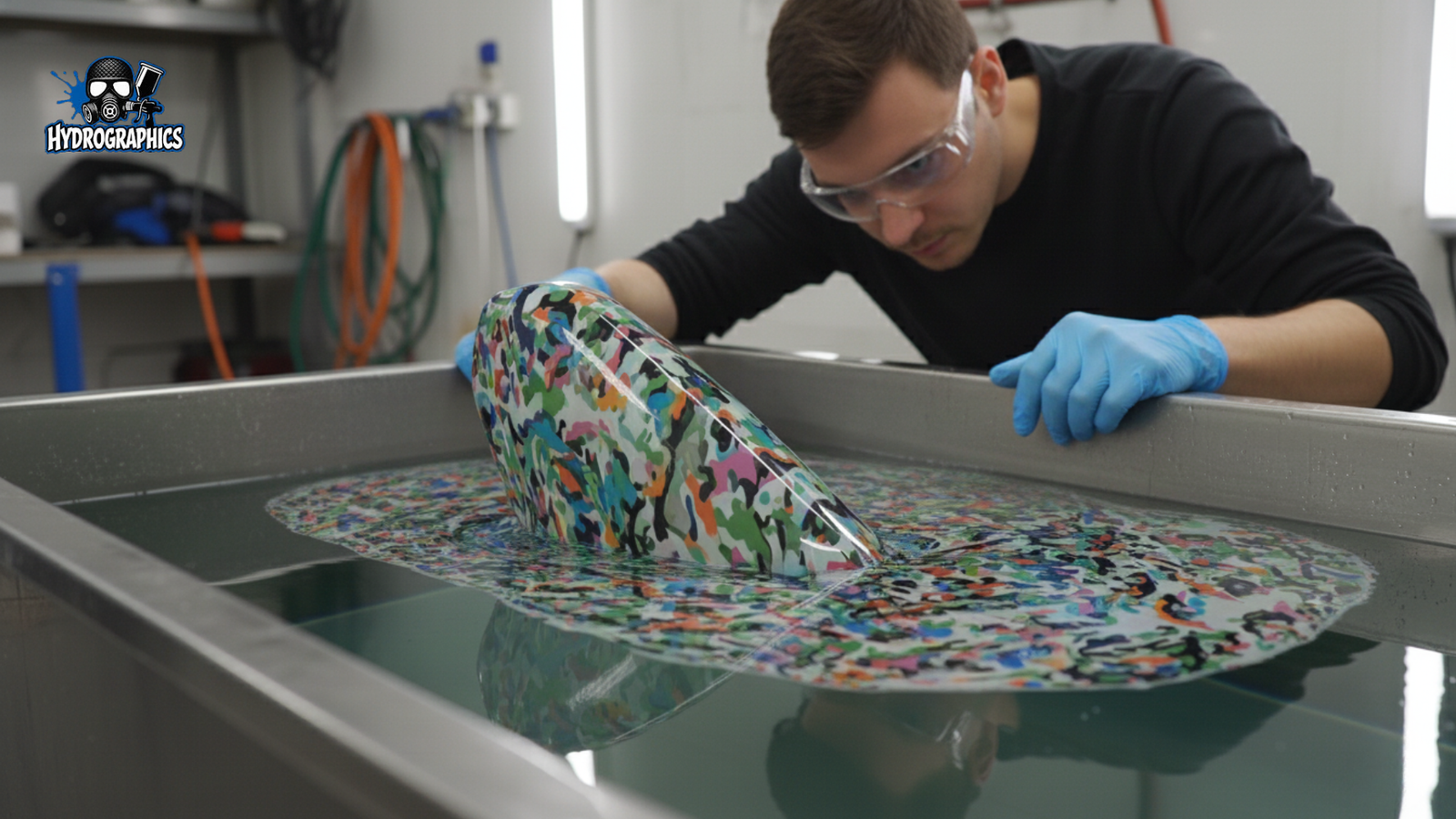
This is the moment of transformation. The pre-treated object is slowly and steadily immersed into the tank, passing through the liquefied ink layer. The hydraulic pressure of the water causes the ink to wrap around every contour of the object, creating a seamless, uniform pattern.
- Controlled Immersion: The angle and speed of immersion are critical and vary depending on the object’s shape and the pattern design. Our skilled technicians are trained to perform precise dips, often utilizing specialized dipping jigs to maintain consistent angles and speeds, ensuring the pattern stretches and adheres correctly without distortion or air pockets.
- Pattern Transfer: As the object pushes through the water, the surface tension causes the liquefied ink to adhere to the base coat. The goal is to “capture” the pattern on the first pass, preventing secondary adhesion or smudging.
Step 5: Rinsing: Removing Residue
Once the pattern has been transferred, the object is carefully removed from the tank. It then undergoes a thorough rinsing process in a dedicated rinse station. This step is crucial to wash away any residual PVA film backing that might still be present on the surface. Rinsing is performed gently but thoroughly, often with warm, clean water, to prevent damage to the freshly applied ink while ensuring a clean surface for the next stages.
Step 6: Drying: Preparing for Protection
After rinsing, the object is moved to a clean, controlled drying area. It can be air-dried or placed in a low-temperature oven or drying booth. Complete dryness is essential before proceeding to the final protective layers. Any moisture trapped beneath the clear coat can lead to bubbling, hazing, or adhesion issues over time.
Step 7: Finishing Tech: The Ultimate Protection
The final, and equally critical, stage is the application of a durable clear coat. This is where our advanced Finishing Tech truly shines, transforming the hydro-dipped object from merely decorative to highly resilient.
- Clear Coat Application: A high-performance automotive-grade clear coat is expertly applied. This transparent protective layer seals the printed pattern, safeguarding it from environmental factors, UV radiation, abrasions, and chemical exposure. Depending on the application and desired aesthetic, we offer various finishes, including high-gloss, matte, and satin. Our clear coats are selected for their exceptional hardness, flexibility, and long-term clarity, ensuring the vibrancy of the pattern lasts for years. This is a vital component of providing a truly Professional Coating.
- Curing: The clear coat is then cured using appropriate methods, which may involve air drying, force drying in a heated oven, or even UV curing, depending on the specific clear coat formulation. Proper curing ensures maximum hardness and durability of the protective layer.
- Quality Control: Post-curing, each item undergoes a final rigorous quality inspection. We check for imperfections, ensuring uniform coverage, flawless adhesion, and the absence of defects before it is deemed ready for the client.
The Role of Our Noida Facility: Precision and Innovation
Our cutting-edge Noida facility stands as a beacon of excellence in the water transfer printing industry. Equipped with state-of-the-art hydrographic tanks, controlled environment drying booths, advanced spray equipment, and comprehensive quality control stations, we possess the infrastructure to handle projects of varying scales and complexities.
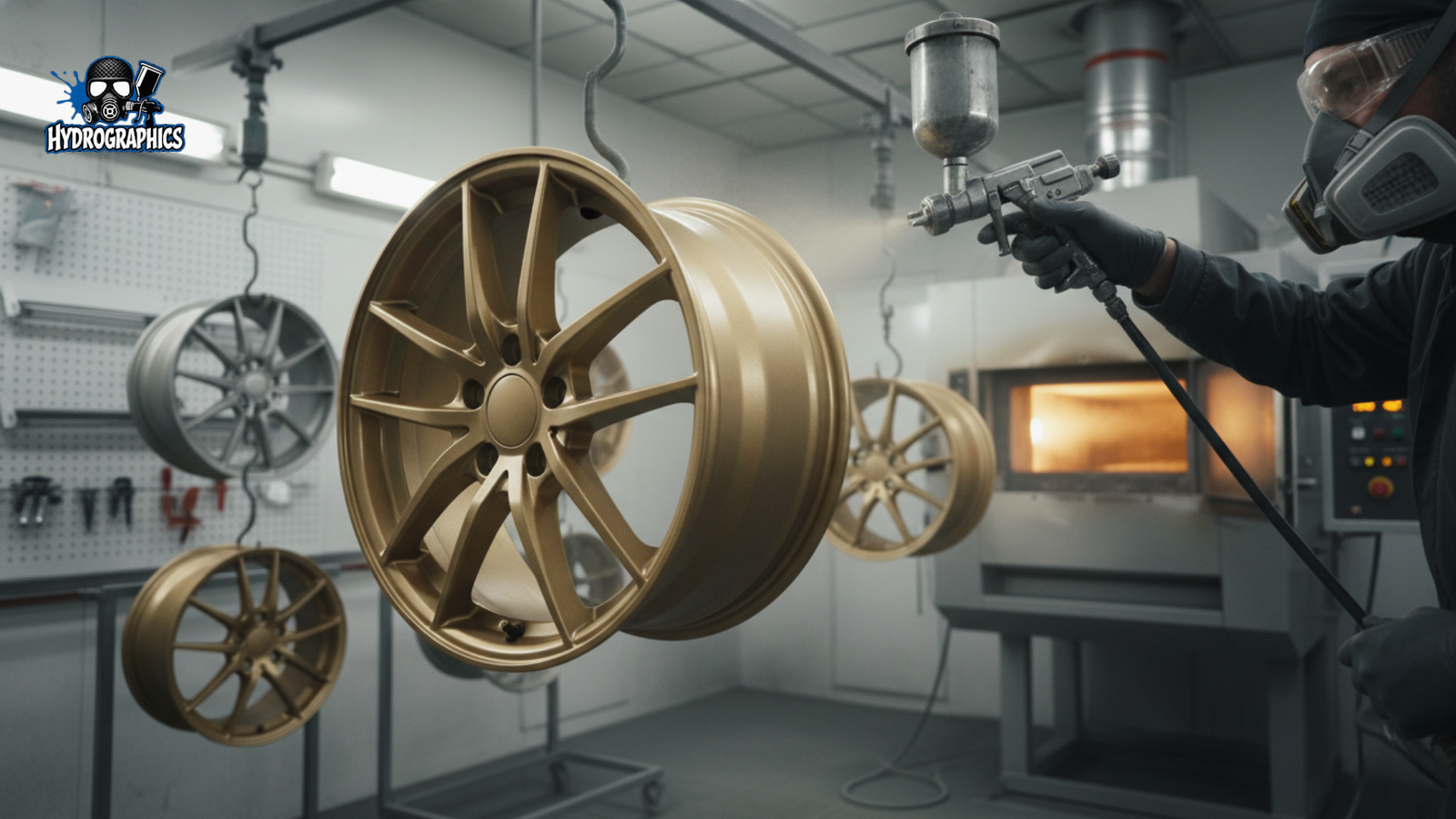
The facility is staffed by a team of highly skilled technicians who are not just operators but artisans with a deep understanding of Hydro Dipping Science and years of practical experience. Their meticulous attention to detail, from precise Surface Preparation to expert clear coat application, ensures consistent, high-quality results every time. Our commitment extends beyond aesthetics; we adhere to strict environmental protocols, ensuring safe handling and disposal of chemicals, making our operations as sustainable as possible. Choosing our Noida facility means partnering with a team dedicated to innovation, quality, and customer satisfaction.
Why Choose Professional Coating for Your Hydro Dipping Needs
While DIY hydro dipping kits are available, achieving professional, long-lasting results demands expertise, specialized equipment, and premium materials. Our commitment to Professional Coating ensures a finish that not only looks superior but also withstands the test of time.
- Unmatched Durability: Our industrial-grade clear coats offer superior resistance to scratches, abrasions, UV fading, and chemical degradation compared to consumer-grade products. This extended lifespan protects your investment.
- Flawless Aesthetics: The intricate steps of Surface Preparation, precise activator application, and controlled dipping techniques minimize defects like bubbles, wrinkles, or pattern distortion, resulting in a perfectly smooth and vibrant finish.
- Expert Application: Our trained technicians understand the nuances of various materials and patterns, ensuring optimal adhesion and flawless application across complex geometries.
- Consistency: For businesses requiring multiple parts with identical finishes, our standardized Water Transfer Printing Process guarantees consistent quality and appearance across batches.
- Material Versatility: We have the expertise and products to safely and effectively hydro dip a wide range of materials, including challenging substrates that might be difficult for an amateur to tackle.
Investing in a professional hydro dipping service ensures that your products not only stand out visually but also gain an enhanced layer of protection, adding significant value and appeal. To learn more about our comprehensive process explained, feel free to contact us.
Applications of Water Transfer Printing
The versatility of WTP has led to its widespread adoption across numerous industries:
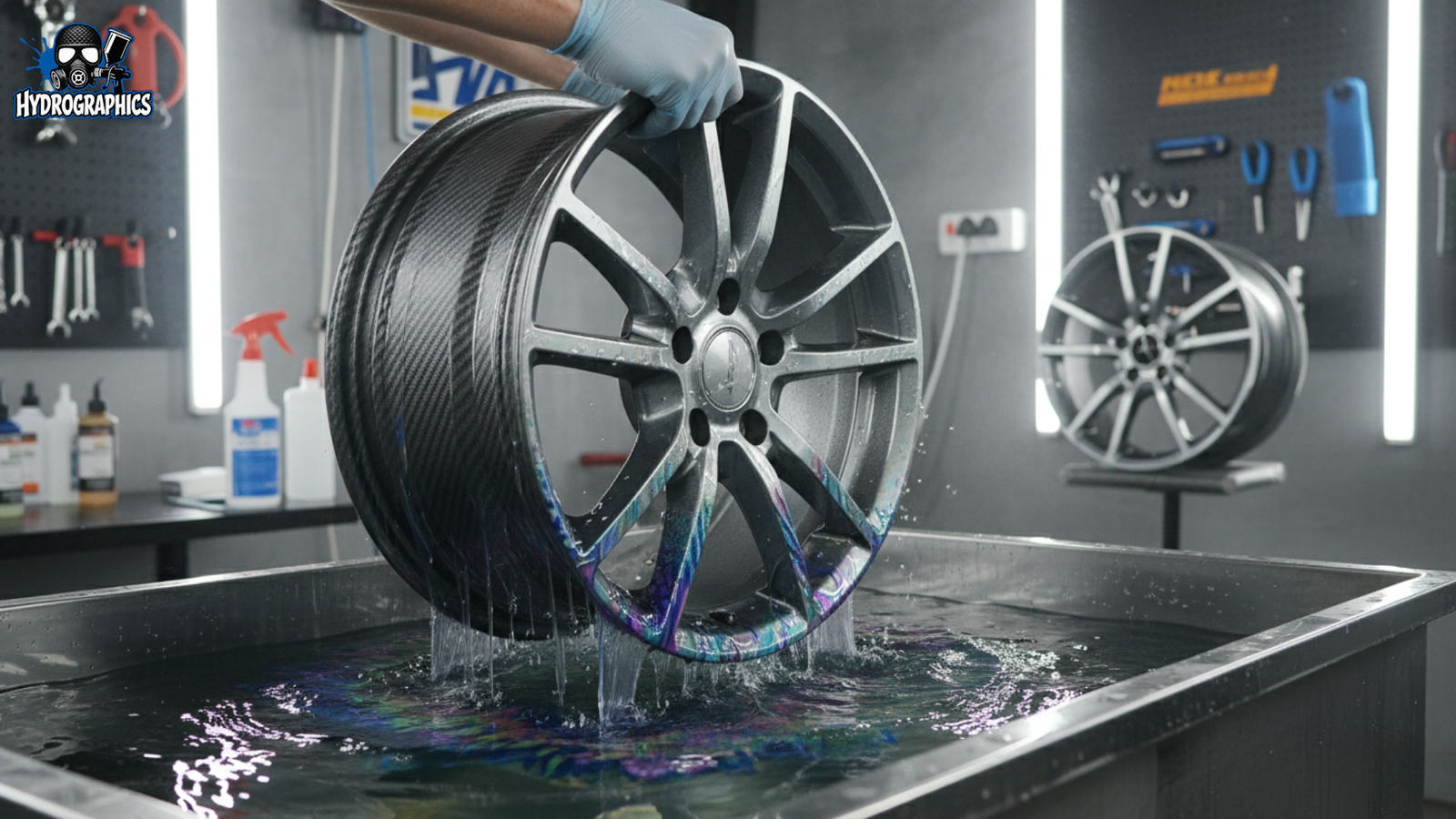
- Automotive: Interior trim pieces (dashboards, door panels), exterior components (mirror covers, wheels), motorcycle parts, helmets.
- Sporting Goods: Hunting bows, firearms, fishing rods, helmets, protective gear.
- Consumer Electronics: Phone cases, laptop covers, gaming controllers, drone bodies.
- Home Decor: Picture frames, light switch covers, small appliances, furniture accents.
- Industrial: Machine parts, tool handles, protective casings where aesthetics are also important.
- Medical Devices: Certain non-critical components that require aesthetic enhancement.
The Future of Finishing: Advancements in Finishing Tech
The field of water transfer printing is continuously evolving, driven by advancements in materials science and engineering. Future innovations in Finishing Tech promise even greater durability, wider material compatibility, and more intricate design possibilities. Researchers are developing new eco-friendly films, more potent and targeted activators, and incredibly resilient clear coats, including ceramic-infused options that offer unprecedented scratch and chemical resistance. Automation in the dipping process is also advancing, leading to even greater precision and efficiency for high-volume production. Our Noida facility remains at the forefront of these developments, continuously integrating the latest technologies to provide our clients with cutting-edge solutions. We believe in staying ahead of the curve to ensure our coating solutions remain best-in-class.
Transform Your Products with Expert Hydro Dipping
The science of Water Transfer Printing is a sophisticated blend of art and engineering, culminating in a finish that is both visually stunning and remarkably durable. From the meticulous Surface Preparation to the precise application of the film and the protective layers of our advanced Finishing Tech, every step of our Water Transfer Printing Process is executed with unparalleled expertise at our advanced Noida facility. We leverage the intricate principles of Hydro Dipping Science to deliver a truly Professional Coating that elevates your products.
Ready to transform your items with custom, high-quality finishes? Contact us today to discuss your project and discover how our expertise can bring your vision to life. Let us help you achieve an enduring aesthetic appeal that sets your products apart.